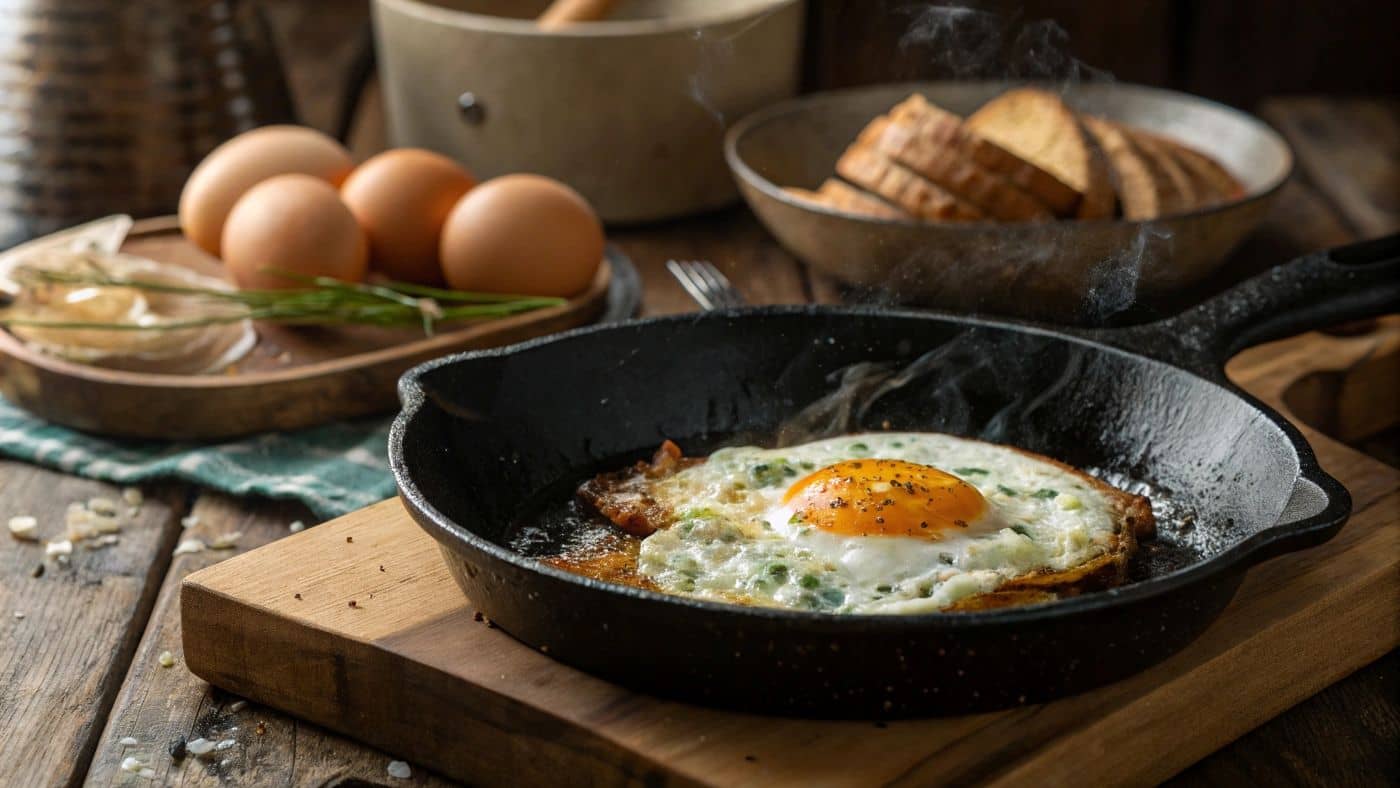
There's nothing quite like a hearty breakfast to kickstart your day, and for many, that means perfectly cooked eggs. But if the thought of a runny yolk sends shivers down your spine, or you're tired of messy breakfast sandwiches, then it's time to master the art of over hard eggs. Forget the delicate dance of over easy or medium; this guide is all about achieving that satisfyingly crisp white and a solid, creamy yolk every single time.
Cooking eggs to perfection might seem daunting, but with the right techniques and a few insider tips, you'll be impressing your breakfast guests (and yourself!) in no time. Get ready to elevate your morning meal with the ultimate guide to mastering over hard eggs.
What Exactly Are Over Hard Eggs? Your Mess-Free Breakfast Solution
At its core, an over hard egg is a type of fried egg where the yolk is cooked completely through. Unlike their over easy or over medium counterparts, which feature a liquid or softly jammy yolk, over hard eggs boast a firm, fully set yolk that holds its shape. This makes them the ultimate choice for those who prefer a uniform texture throughout their egg.
The beauty of over hard eggs extends beyond personal preference for yolk consistency. Their solid nature makes them incredibly versatile, particularly as a cornerstone for building the perfect breakfast. Imagine a robust breakfast sandwich without the worry of a rogue runny yolk spilling onto your shirt or plate. They are truly ideal for this purpose!
Layer them onto a buttered slice of toast, a toasted bagel, or a warm English muffin. Add your favorite fillings – crispy bacon, melted cheese, a slice of fresh tomato, avocado, or even some spinach – and you have a portable, delicious, and entirely mess-free meal. For more insights on why these eggs are your go-to for grab-and-go mornings, check out our guide on Why Over Hard Eggs Are Best for Mess-Free Breakfast Sandwiches.
The Art of Crafting Perfect Over Hard Eggs: A Step-by-Step Guide
While the goal is a fully cooked yolk, the journey involves careful technique to ensure the whites remain tender and the overall egg isn't overcooked into a rubbery puck. Here's how to achieve that coveted perfection:
Essential Ingredients & Equipment:
- Fresh Eggs: Two fresh eggs are a great starting point. The fresher your eggs, the better they tend to hold together and the more vibrant your yolks will be.
- Cooking Fat: About 1-2 teaspoons of butter is classic, but you can also use ghee, beef tallow, or avocado oil for different flavor profiles and higher smoke points. Enough fat is crucial to prevent sticking.
- Seasoning: A pinch of salt and a few twists of black pepper are standard.
- Pan: A large non-stick skillet or a well-seasoned cast-iron pan is your best friend.
- Spatula: A sturdy but flexible spatula is non-negotiable for a clean flip.
Step-by-Step Cooking Instructions:
- Prepare Your Pan: Place your non-stick or cast-iron skillet over low to medium heat. Add your chosen cooking fat and allow it to melt completely. If using butter, wait until it begins to foam slightly. Cooking eggs at a lower temperature is key to even cooking without burning the whites.
- Crack and Season: Carefully crack your eggs into the heated pan. Try to avoid breaking the yolks at this stage. Immediately season with a pinch of salt and a few twists of black pepper.
- First Cook: Allow the eggs to cook undisturbed for 2 to 3 minutes. During this time, the egg whites will set and turn opaque around the edges and underneath, but the yolks should still appear soft and slightly jiggly.
- The Critical Flip: This is where many go wrong. To avoid tearing or breaking your egg, ensure the whites are fully set before attempting to flip. If the egg is sticking, gently tilt the pan so that the egg slides onto your spatula. Position your sturdy, flexible spatula completely under the egg. With a confident yet gentle motion, flip the egg over, keeping it close to the surface of the skillet.
- Second Cook & Yolk Check: Cook the flipped eggs for another 1 to 2 minutes. The goal here is to cook the yolk completely. Around the 1-minute mark, use the back of your spatula to gently press down on the yolk. You should feel it resist and eventually break and flatten slightly, confirming it's cooking through. Continue to cook until the yolk is firm to the touch and no longer runny.
- Serve Immediately: Once the yolks are fully set, carefully slide the eggs onto your plate and enjoy!
Pro Tip: The Power of Pasture-Raised Eggs
The quality of your ingredients truly makes a difference. We highly recommend using pasture-raised eggs if possible. These eggs, sourced from hens that roam freely outdoors, often boast richer flavors and more vibrant, deeply colored yolks. Beyond aesthetics, they tend to be higher in beneficial nutrients like vitamins, omega-3 fatty acids, and antioxidants. This superior quality can significantly enhance the taste and nutritional value of your over hard eggs.
Essential Tips for Over Hard Egg Perfection
Beyond the basic steps, a few expert insights can elevate your over hard egg game from good to absolutely phenomenal.
Preventing Sticky Situations and Broken Yolks
- Ample Fat: Don't skimp on the cooking fat. Enough butter or oil creates a barrier that prevents sticking and helps the egg slide effortlessly, especially when flipping.
- Patient Preheat: Ensure your pan is properly heated before adding the eggs. A cold pan will cause sticking, while an overly hot pan will burn the whites before the yolk has a chance to cook.
- Let the Whites Set: The most common mistake leading to broken eggs is flipping too soon. Wait until the whites are fully opaque and firm enough to support the yolk before attempting the flip.
Mastering Temperature Control
As mentioned, cooking at a consistent low to medium heat is paramount. High heat will cause the whites to crisp and brown too quickly, potentially burning them while the yolk inside remains raw. A gentler heat allows for even cooking, giving the yolk sufficient time to set without overcooking the whites or edges.
Spatula Savvy for a Flawless Flip
The right spatula can make all the difference. Look for one with a thin, flexible edge, whether it's metal or high-heat silicone. This design allows you to easily get underneath the egg without tearing. When flipping, aim for a swift, confident motion. Hesitation can lead to a half-flip or a broken egg. If you’re struggling, practice with a non-stick pan and a little extra oil until you build confidence.
Beyond Basic Seasoning
While salt and pepper are standard, don't be afraid to experiment. A sprinkle of paprika, a dash of chili flakes, or even some dried herbs like chives or dill can add an extra layer of flavor. Seasoning early allows the flavors to meld with the egg as it cooks.
Choosing Your Pan Wisely
Both non-stick and well-seasoned cast iron skillets are excellent choices for over hard eggs. A non-stick pan offers ease of use and effortless release, which is great for beginners. A cast-iron skillet, when properly seasoned, provides fantastic heat retention and can impart a slightly crispier edge to the whites, adding another delightful texture to your eggs.
Prep Ahead: Storing and Reheating Over Hard Eggs for Easy Mornings
One of the fantastic advantages of fully cooked over hard eggs is their meal-prep potential. Unlike their runny counterparts, over hard eggs can be cooked in advance, stored, and reheated beautifully, making them a game-changer for busy mornings or meal prepping for the week.
Yes, you absolutely can cook your eggs until the yolk is no longer runny and store them for later! This convenience means you can enjoy a wholesome, protein-packed breakfast even on your most rushed days.
Storage Best Practices:
- Cool Completely: Before storing, allow your cooked eggs to cool down to room temperature.
- Individual Wrapping: To keep them fresh and prevent sticking, wrap each cooled over hard egg individually in aluminum foil.
- Airtight Container: Place the foil-wrapped eggs into an airtight container. This protects them from odors and prevents them from drying out in the refrigerator.
- Refrigeration: Store the container in your fridge for up to 3 days (or up to 72 hours in advance). While technically possible, freezing fried eggs isn't recommended as the texture can degrade upon thawing and reheating.
Reheating for Fresh-Cooked Taste:
Reheating over hard eggs is simple and quick, yielding results that are surprisingly close to freshly cooked.
- Heat a Skillet: Place a nonstick skillet over medium-low heat. Add a tiny pat of butter or a spray of cooking oil to the pan.
- Add Eggs: Unwrap your chilled eggs and place them gently into the warmed skillet.
- Cover and Heat: Cover the pan with a lid to create a steamy environment that helps heat the eggs through without drying them out.
- Reheat Time: Allow them to reheat for 2 to 3 minutes, flipping once halfway through if desired to ensure even warmth.
- Serve Warm: Use your spatula to transfer the perfectly reheated eggs to your plate and enjoy them as if they were just made!
For more detailed strategies on making your mornings smoother with prepared eggs, don't miss our comprehensive guide on Cook Ahead: Store & Reheat Over Hard Eggs for Easy Mornings.
Conclusion
Mastering over hard eggs is a culinary skill that offers immense satisfaction and versatility, transforming your breakfast routine from ordinary to exceptional. With crisp whites and perfectly solid, creamy yolks, these eggs are a delightful alternative for those who prefer a no-mess meal. By following our step-by-step guide, paying attention to heat, using the right tools, and even utilizing advanced meal prep techniques, you're now equipped to create flawless over hard eggs every time. So go ahead, crack those eggs, heat that pan, and savor the delicious simplicity of a perfectly cooked over hard egg – the ultimate foundation for a hearty and hassle-free breakfast.
