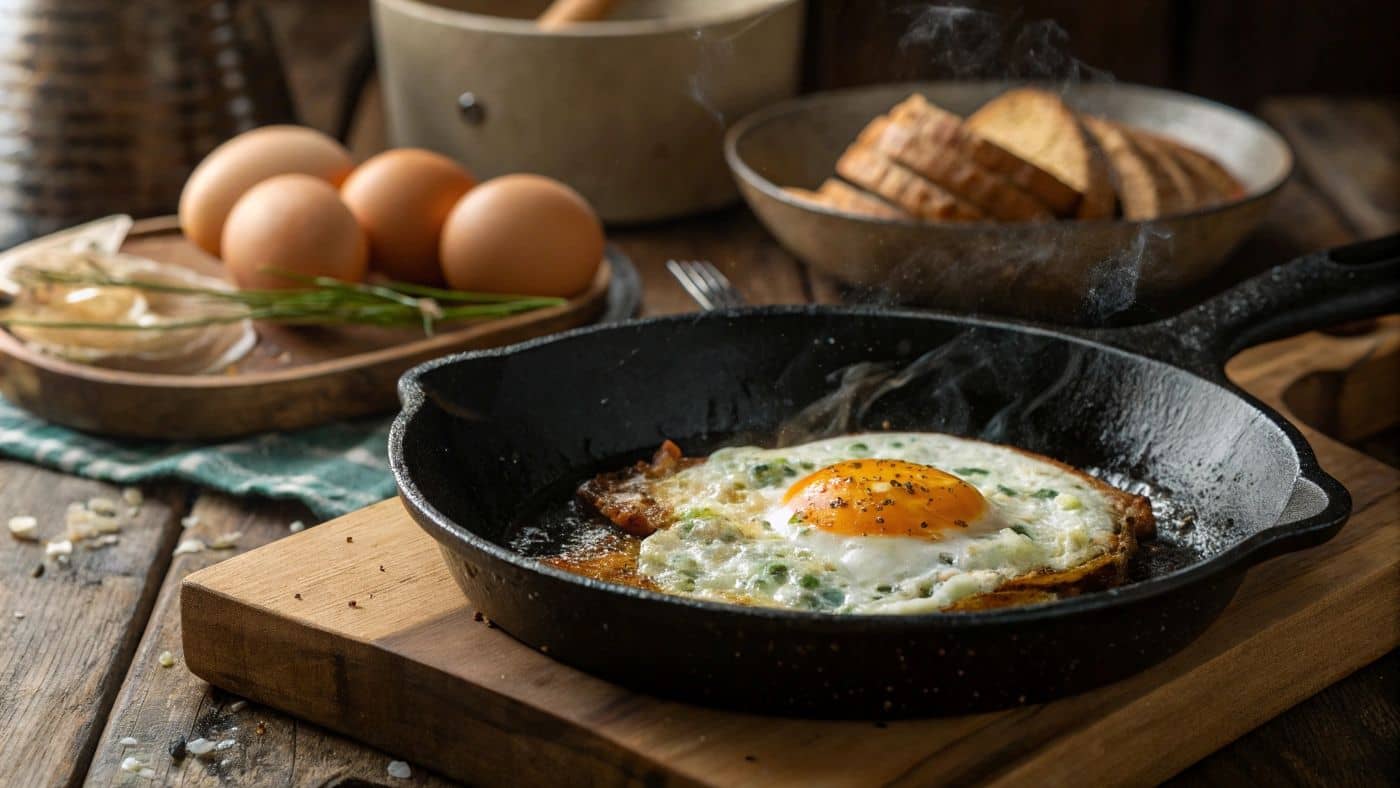
There’s a certain undeniable allure to a hearty breakfast sandwich. It’s the perfect portable meal, packing all the essential morning goodness between two slices of bread, a bagel, or an English muffin. But for many, the joy of a breakfast sandwich can quickly turn into a messy ordeal, thanks to that notoriously runny yolk. Enter the humble yet mighty over hard egg – the undisputed champion of mess-free breakfast sandwiches. If you're tired of yolk dribbling down your chin or soaking through your bread, it's time to discover why this fully cooked fried egg is your breakfast sandwich's best friend.
The Undeniable Appeal of the Over Hard Egg
At its core, an over hard egg is a fried egg where the yolk is cooked completely through, becoming firm rather than liquid. Unlike its counterparts, over easy or over medium eggs, which feature varying degrees of liquid yolk, the over hard egg eliminates any concern about runniness. This full cook not only simplifies the eating experience but also introduces a distinct texture that many find incredibly satisfying.
Imagine biting into a breakfast sandwich where every component holds its own. The whites are crisp at the edges, perhaps with a slight golden hue, while the yolk, though solid, retains a creamy, rich consistency. There's no unexpected burst of liquid, no scramble to catch drips, just a perfectly integrated layer of egg. This makes them ideal for building robust, satisfying sandwiches that you can enjoy on the go, whether you’re commuting, packing a lunch, or simply trying to keep your kitchen table clean. While perfect for sandwiches, these eggs also make a fantastic side to bacon, hash browns, or even a simple piece of buttered toast, offering a protein-packed start to any day.
Crafting the Perfect Over Hard Egg: A Step-by-Step Guide
Making the perfect over hard egg might seem straightforward, but a few key techniques can elevate your results from good to consistently great. The secret lies in heat control, proper flipping, and understanding when your yolk has reached that ideal, firm-but-creamy stage.
Essential Ingredients and Equipment:
- Fresh Eggs: The fresher your eggs, the better the final texture and flavor. Consider using pasture-raised eggs if possible. Hens that roam freely and forage on natural vegetation produce eggs with richer flavor, more vibrant yolks, and higher nutritional value, including increased levels of vitamins, omega-3 fatty acids, and antioxidants. This quality will truly shine in your finished egg.
- Fat for Cooking: Butter is a classic choice for its flavor, but ghee, beef tallow, or avocado oil are excellent alternatives, offering different flavor profiles and higher smoke points. Using enough fat is crucial to prevent sticking and ensure even cooking.
- Seasoning: A simple pinch of salt and a few twists of black pepper are all you need to enhance the natural flavor of the egg.
- The Right Pan: A large non-stick or well-seasoned cast-iron skillet is crucial. These pans provide even heat distribution and prevent the eggs from sticking, which is paramount for a clean flip.
- A Sturdy Spatula: Opt for one that is sturdy yet flexible enough to get under the egg without tearing it.
The Cooking Process for Flawless Over Hard Eggs:
- Preheat Gently: Heat your skillet over low to medium heat. Cooking eggs at a lower temperature is key to achieving perfectly set whites without crispy, burnt edges, and allows the yolk to cook through evenly. Melt your chosen fat until it begins to foam slightly.
- Crack and Season: Carefully crack your eggs directly into the pan. Immediately season them with a pinch of salt and black pepper.
- Initial Cook: Allow the eggs to cook undisturbed for about 2 to 3 minutes. During this time, the whites will set completely, and the edges might begin to crisp slightly. The yolk should still be soft and mostly liquid at this stage.
- The Gentle Flip: This is where technique matters. To avoid breaking the yolk, ensure your spatula is fully underneath the egg. If you're struggling, gently tilt the pan towards you so the egg slides onto the spatula. Flip the egg smoothly and close to the skillet's surface to minimize the drop.
- Second Cook & Doneness: Cook for another 1 to 2 minutes on the flipped side. For an over hard egg, you want the yolk to be fully set. Around the 1-minute mark, you can gently press on the yolk with your spatula. If it feels firm and no longer gives way to pressure, it’s done. If there’s still a soft spot, continue cooking for a bit longer.
- Serve Immediately: Fried eggs are best enjoyed warm, right off the pan.
Mastering this technique will ensure your eggs are cooked to perfection every time. For even more detailed guidance and troubleshooting tips, be sure to check out our comprehensive guide: Mastering Over Hard Eggs: Your Guide to Perfect Yolks.
Why Over Hard Reigns Supreme for Breakfast Sandwiches
The choice of egg for a breakfast sandwich isn't just a matter of preference; it's a strategic decision for optimal enjoyment, and the over hard egg consistently comes out on top for several compelling reasons:
- The Ultimate Mess-Free Advantage: This is the most significant benefit. With a completely solid yolk, you eliminate the risk of drips, spills, and soggy bread. You can eat your sandwich with one hand, on the go, without fear of creating a breakfast disaster. No more frantic napkin dabbing or struggling to keep the yolk contained.
- Superior Structural Integrity: A firm egg acts as a sturdy building block within your sandwich. It holds its shape, preventing the sandwich from collapsing or becoming squishy. This makes for a more pleasant eating experience and allows the other ingredients to shine without being overshadowed by a runny mess.
- Harmonious Texture and Flavor: The creamy, fully cooked yolk integrates beautifully with other sandwich components. Instead of a distinct, sometimes overwhelming, burst of liquid, the over hard egg provides a cohesive texture that complements bacon's crispness, cheese's melt, and the softness of your bread. It adds richness without introducing an unwanted liquid element.
- Versatility with Fillings: Because it’s so stable, an over hard egg pairs wonderfully with an endless array of breakfast sandwich fillings. Layer it with crispy bacon, melted cheese, fresh tomato slices, avocado, or even a smear of your favorite sauce. The egg acts as a neutral, binding agent, allowing all the flavors to coexist perfectly.
- Unbeatable Portability: For busy mornings or when packing a lunch, the over hard egg makes your breakfast sandwich incredibly portable and convenient. It’s the ideal choice for a grab-and-go meal that will stay intact until you're ready to eat it.
Make-Ahead Magic: Prep & Storage Tips for Busy Mornings
One of the less-talked-about, yet incredibly valuable, benefits of over hard eggs is their suitability for meal prepping. You can cook a batch in advance, store them, and have ready-to-assemble breakfast sandwiches throughout the week. This time-saving hack is a game-changer for anyone with a busy schedule.
Storage Best Practices:
- Cook Ahead: You can cook your over hard eggs up to 72 hours (3 days) in advance. This flexibility allows you to prepare them during a weekend meal prep session.
- Individual Wrapping: To keep them fresh and prevent them from drying out or absorbing refrigerator odors, wrap each cooked egg individually in aluminum foil. This creates a protective barrier, locking in moisture and flavor.
- Airtight Container: After wrapping, place the foil-packed eggs into an airtight container. This provides an additional layer of protection and helps maintain their freshness in the fridge.
Reheating for Freshness:
While fried eggs taste best served immediately after cooking, reheating over hard eggs is simple and yields delicious results:
- Skillet Reheating: The best method for reheating is on a non-stick skillet with a little butter or oil. Heat the skillet over low-medium heat. Add the eggs, cover the pan, and let them reheat for 2-3 minutes per side, or until warmed through. Covering the pan helps to steam the eggs gently, ensuring they don't dry out and become rubbery.
- Microwave (Use with Caution): If you're in an extreme rush, you can microwave them, but be careful not to overcook. Place eggs on a microwave-safe plate, cover loosely with a damp paper towel, and heat in 15-second intervals until warm. Over-microwaving can make eggs rubbery.
By utilizing these make-ahead and reheating strategies, you can enjoy the delicious convenience of over hard eggs in your breakfast sandwiches even on the busiest of mornings. For more in-depth advice on storing and reheating, explore our dedicated guide: Cook Ahead: Store & Reheat Over Hard Eggs for Easy Mornings.
Ultimately, the over hard egg isn't just another way to fry an egg; it's a deliberate choice for convenience, cleanliness, and superior sandwich construction. Its solid, creamy yolk ensures a mess-free experience, making your breakfast sandwich a true delight, not a clean-up chore. Whether you're a seasoned chef or a breakfast novice, mastering the art of the over hard egg will elevate your morning routine, providing a consistently delicious and perfectly portable start to your day. So next time you're whipping up breakfast, reach for that spatula and cook your eggs hard – your breakfast sandwich (and your shirt!) will thank you.
